Most conversations about AI assume either too much or too little. This series sits in the middle — built for people who use AI tools, work alongside them, or are simply trying to make sense of what they are and what the rules are. No jargon. No hype. Just what you actually need to know.
Video synthesis by NotebookLM. Supporting documents available to download below each episode.
Episode 1
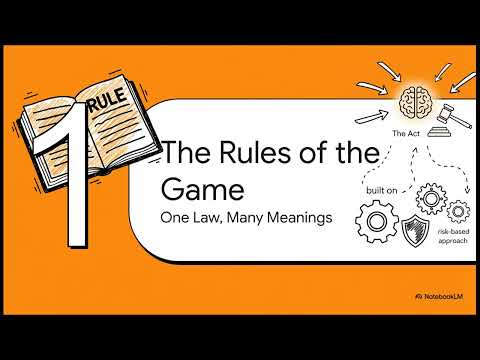
The EU AI Act: What It Actually Means
March 2026
Four lenses, one law. Whether you work in pharma, run a business, build AI tools, or simply use them — where you sit under the Act is a different question with a different answer.
In this episode:
- How the Act classifies AI systems into four risk tiers — and what each tier actually requires
- Where pharma, HEOR, SMEs, and general AI users sit under the framework, and why each audience gets a different answer
- Why the Act has a structural blind spot around population-level AI in healthcare evidence generation
- The one diagnostic question every AI engagement should start with
Video synthesis by NotebookLM from written analysis.
Episode 2
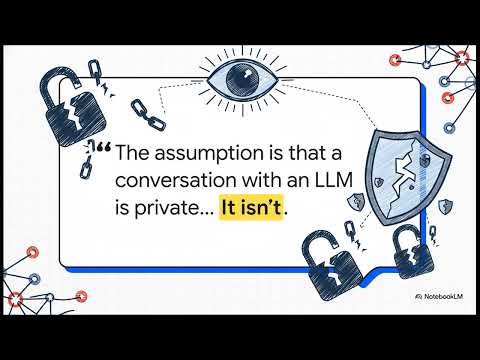
What Happens to Your Data When You Use an LLM?
March 2026
The question nobody asks — until it matters. Where does your data go when you upload a file or type into a chat window, who can see it, and what does that mean if you're working with sensitive information?
In this episode:
- What actually happens to your data when you upload a file or type into a chat window
- How retention policies and training opt-outs vary across the five major platforms — and why the consumer vs enterprise distinction matters
- Why the chat window feels temporary but isn't — and the behaviours that create real organisational risk
- What individuals and organisations should do differently, starting today
Video synthesis by NotebookLM from written analysis.
Download Written Analysis (PDF) ↓Episode 3
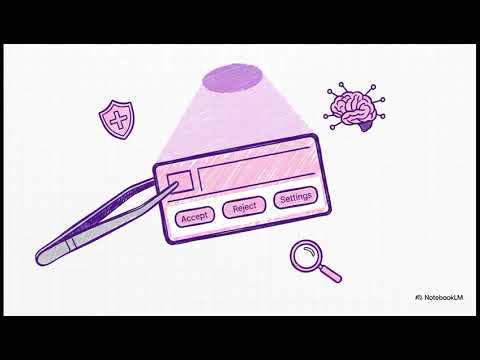
Cookie Policies: What You're Actually Agreeing To
March 2026
That "Accept All" banner appears on almost every website you visit. But what are you actually agreeing to? This episode breaks down cookie consent using ryanbishop.co.uk as the live example — walking through the real cookie policy, the real provider, and what each category of cookie actually does.
In this episode:
- What cookies are and why websites need them — the ones that keep the lights on versus the ones that track behaviour
- A walkthrough of a real cookie policy: what each category means, who sets them, and how long they stay on your device
- What Cookiebot does, why it sits before everything else on this site, and what your consent choices actually control
- How to read any cookie policy using the same approach — so the next banner you see is a decision, not a reflex
Video synthesis by NotebookLM from written analysis.
Episode 4
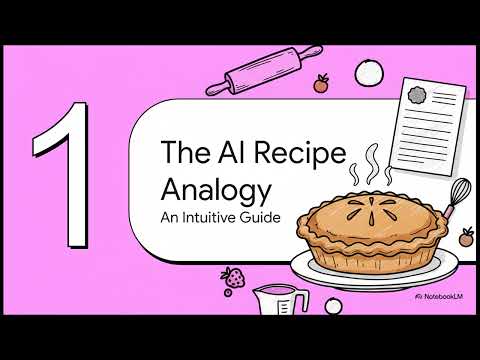
What is an AI model, really?
April 2026
Most people who use AI every day have never needed to think about what it actually is — until something unexpected happens. This episode uses a plain-English recipe analogy to explain the mechanism behind large language models, with a section for families on how to talk about it with children, and one for organisations on what it means for how they buy, deploy, and govern AI tools.
In this episode:
- Why "AI" covers very different systems with very different implications — and why the LLM on your desktop is not the same kind of thing as the diagnostic tool in a hospital
- The recipe analogy: what algorithms, training data, and human feedback actually are — and why the same recipe with different ingredients always produces a different pie
- How pattern matching drives every response — what a model is actually doing when it answers your question, and why it has no equivalent to human uncertainty
- The difference between a model and a product — and why the same underlying technology can behave very differently depending on who configured it and how
Video synthesis by NotebookLM from written analysis.
Download Written Analysis (PDF) ↓
Have a topic you'd like covered?
If there's an AI topic you'd like explained plainly and practically, I'd like to hear about it. Get in touch or connect on LinkedIn.